

Plushy’s Playground
Advertisement
Advertisement
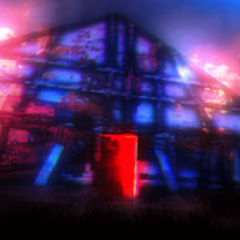
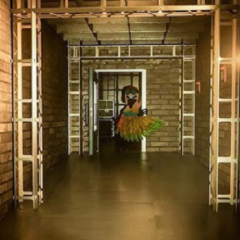


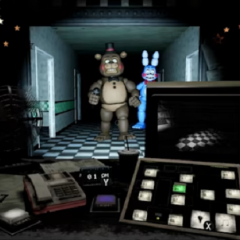
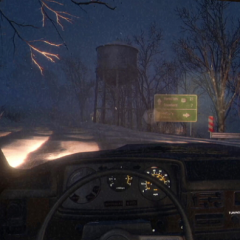
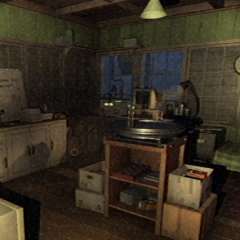
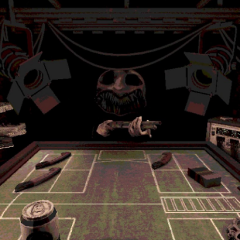
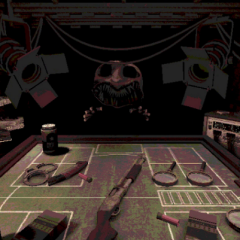












Interface As Core Mechanic
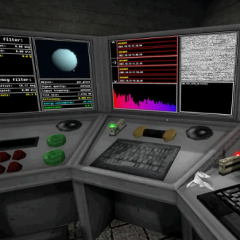
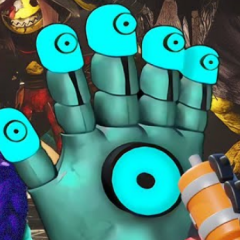
All interaction is tied to the interface itself. Plushy’s Playground uses buttons, images, and embedded media as the primary tools for exploration. Each element can function as a trigger, leading to new pages or altering existing ones. Since no instructions are provided, players rely on experimentation to understand how the system operates.
As the experience progresses, the interface begins to behave differently. Some sections update after repeated visits, while others reveal hidden content only after specific actions. This dynamic behavior creates a system that feels reactive rather than static.
Fragmented Puzzle System
The puzzle structure is distributed across the entire environment. Clues are not grouped in one place but appear in different formats, including text, visuals, and audio. Plushy’s Playground requires players to connect these fragments to uncover new content. There are no explicit goals, so progress is defined by discovery.
Typical interactions that support progression include:
- locating hidden links within pages
- recognizing repeated visual elements
- replaying media to identify changes
- interpreting distorted information
- performing sequences of interactions
This approach emphasizes analysis and repeated exploration instead of direct challenges.
Hidden Narrative Elements
The narrative is presented indirectly. Plushy’s Playground does not rely on dialogue or structured storytelling. Instead, the story is revealed through inconsistencies in the interface and fragments of content. What appears to be a simple entertainment platform gradually suggests a more complex background.
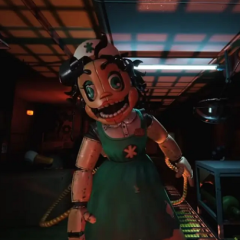
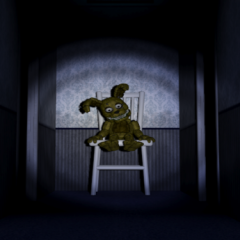
A recurring figure appears throughout the system. This presence is integrated into different sections and is associated with the underlying narrative. Players gather information about this figure by analyzing repeated appearances and contextual clues.
