

Subway Surfers 2: City
Advertisement
Advertisement






















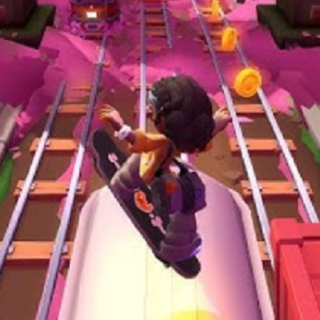
Subway Surfers 2: City reimagines the familiar runner format by placing all action inside one expanding city instead of rotating global locations. The city is divided into several connected districts that open gradually as the player progresses. Each district has its own track structure, obstacle density, and pacing, which creates a clear sense of movement through space rather than repetition. This approach allows players to become familiar with specific routes and adapt their playstyle over time. The environment feels consistent and purposeful, with progression tied directly to exploration rather than seasonal resets.
Core Mechanics And Player Interaction
The gameplay keeps the traditional swipe-based controls for jumping, sliding, and changing lanes, making it easy to start playing without a learning curve. At the same time, Subway Surfers 2: City adds new interaction systems that affect how runs develop. Movement is more dynamic, with certain areas requiring careful timing and route selection. Some sections encourage faster play, while others reward controlled movement and precision. These changes make each run feel more deliberate and reduce reliance on pure reflexes, adding a light strategic layer to the experience.
Modes And Gameplay Options
The game includes several modes that guide progression and offer different objectives:
· Endless runs focused on distance and score
· Mission-based levels with specific goals
· Time-limited challenges with unique rules
· District progression tied to city exploration
· Upgrade paths for characters and boards
All modes are connected through a shared progression system, allowing players to earn rewards regardless of how they choose to play. This structure supports both short sessions and longer play periods without forcing repetition.
Progression And Customization
Progression in Subway Surfers 2: City is designed around steady advancement rather than quick completion. Players unlock new districts, abilities, and upgrades by completing objectives and collecting in-game resources. Customization affects gameplay performance, including movement control and reward bonuses, rather than serving only visual purposes. This makes upgrades feel meaningful and encourages experimentation with different setups. Daily tasks and rotating challenges provide additional goals while keeping the overall pace balanced.
Long-Term Support And Development
Subway Surfers 2: City is planned as a long-term project with ongoing updates after release. New areas, characters, and challenges are expected to expand the city gradually, keeping the experience fresh without altering its core mechanics. The game follows a free-to-play model with optional purchases that do not block core content. The development focus remains on stability, consistent updates, and gradual expansion, ensuring that players can continue progressing while the city evolves over time.
