

Lacey’s Wardrobe
Advertisement

Advertisement

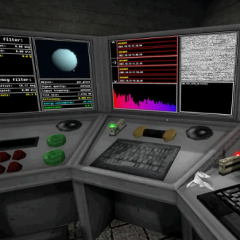





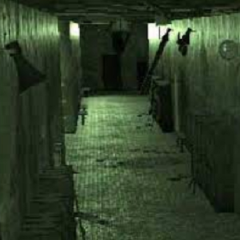


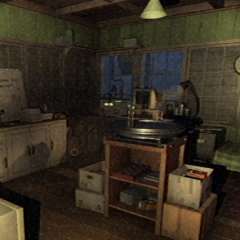
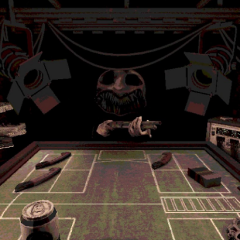
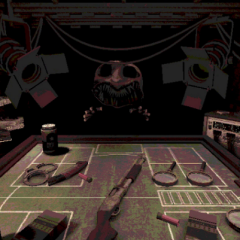
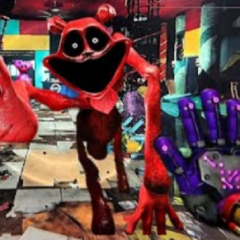





















Lacey’s Wardrobe introduces a gameplay structure where narrative progression depends on the player’s clothing selections. Each scene begins with a wardrobe interface that allows the player to assemble an outfit before moving forward. While the interaction is straightforward, the game connects these choices to outcomes that unfold across multiple scenes. As a result, each outfit becomes a component of a larger system that shapes the path of the story and influences how future moments develop.
Decision Making and Scene Transitioning
The primary loop focuses on choosing items from several wardrobe categories and confirming the selection. After this step, the game moves into a short scene that reflects previous choices through small adjustments or shifts in direction. Some outfits affect pacing, others influence transitions, and certain combinations unlock new narrative routes. This design encourages players to return to earlier scenes and experiment with different sequences, discovering how each change affects the unfolding events.
Functional Mechanics and Player Approach
Progress in Lacey’s Wardrobe relies on a set of key mechanics that guide interaction:
· Browsing wardrobe categories to create complete outfits
· Observing scene variations that correspond to earlier selections
· Responding to prompts informed by the player’s decision history
· Replaying scenarios to access alternative endings and hidden branches
These mechanics support exploration and repetition, allowing the player to gradually uncover how the wardrobe system interacts with the narrative. Each run reveals new information that enhances understanding of the game’s structure.
Narrative Patterns and Branch Recognition
As players test more combinations, subtle narrative signals begin to appear. Certain outfits may alter minor visual details, adjust dialogue responses, or affect scene order. These signals serve as indicators that the storyline is diverging from previous attempts. By recognizing these patterns, the player learns how the game uses accumulated choices to shape branching outcomes. This reinforces the idea that every outfit contributes to a broader sequence rather than functioning as a standalone decision.
Lacey’s Wardrobe builds its progression around simple interactions that gradually reveal a more complex system. The gameplay remains accessible, yet the branching design encourages the player to revisit earlier scenes and explore new configurations. Over time, the connection between wardrobe choices and narrative results becomes clearer, showing how the game turns outfit selection into a central storytelling tool. Each run becomes an opportunity to uncover additional paths and understand how decisions shape the final direction of the experience.
